
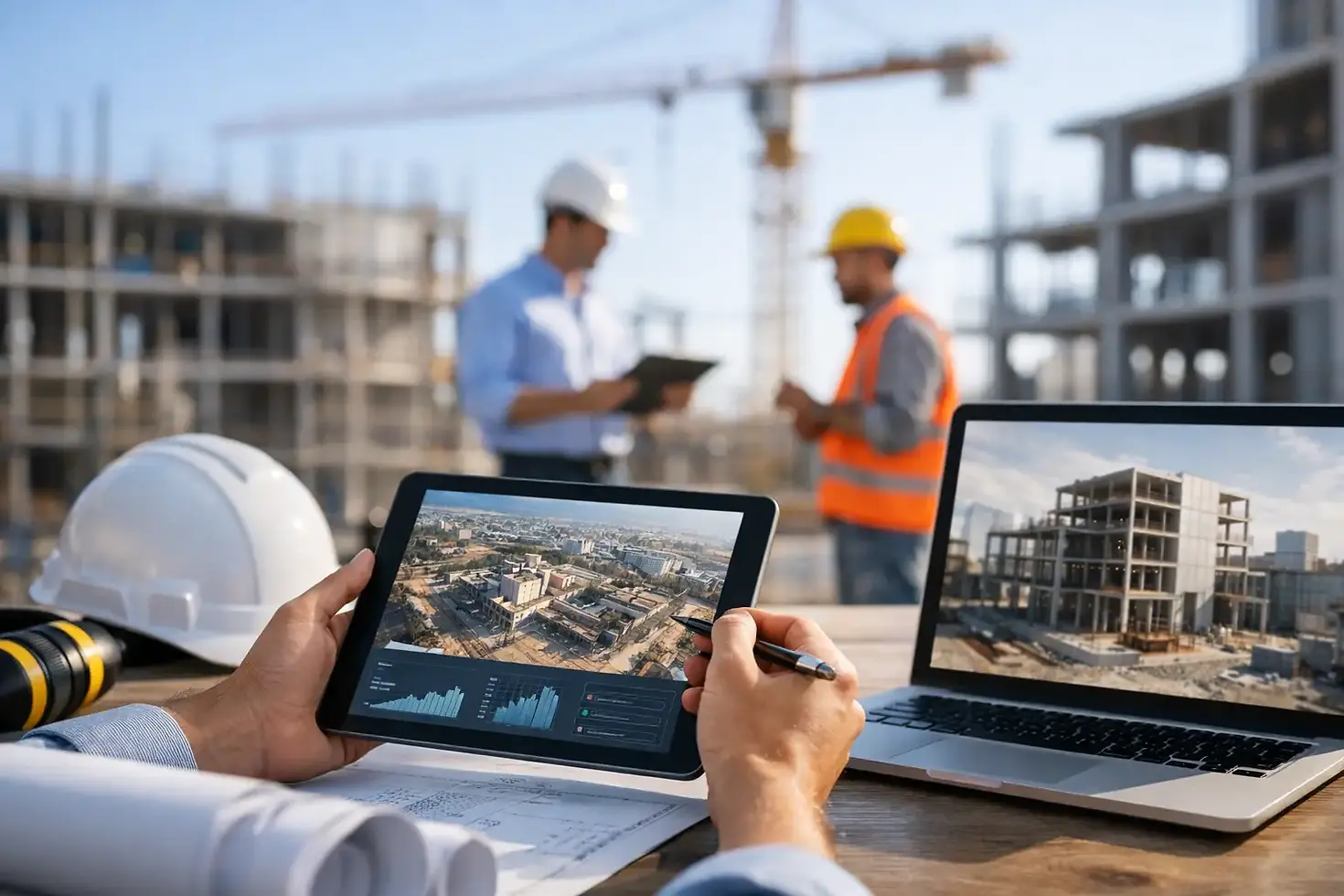
How to Track Build Progress Without Guesswork
- elitebuildinggroup
- Apr 2
- 6 min read

If you are building a home in Costa Rica while living in the US or Canada, the real risk is not only delays. It is making decisions with incomplete information. When clients ask how to track build progress, what they usually mean is this: How do I know the work is real, the timeline is still credible, and my money is being released at the right time?
That is the standard you should use from day one. Progress tracking is not about getting a few jobsite photos in a group chat. It is about having a clear system that shows what has been completed, what is next, what has changed, and whether payments match verified work.
How to track build progress the right way
The most effective way to track a build is to tie three things together: schedule, physical progress, and money. If one of those is missing, you are not really tracking the project. You are just receiving updates.
A proper tracking system starts with a build schedule broken into defined phases. For a custom home, that usually includes pre-construction, permitting, site prep, foundation, structure, roofing, mechanical systems, finishes, and final completion. Each phase should have a target start date, expected duration, and a clear definition of what counts as complete.
That last part matters more than most clients realize. "Framing started" is not a milestone. "Main structural framing completed and inspected" is. Vague language creates room for confusion, especially when you are managing a project remotely and relying on other people to interpret what progress means.
The metrics that actually matter
Many owners are shown progress in the least useful way possible: a stream of images, a few upbeat messages, and broad statements like "things are moving." That may feel reassuring for a week or two. It does not hold up over a 10 to 14 month project.
What you want instead is reporting that answers five basic questions.
First, what was scheduled for this period? Second, what was actually completed? Third, what is blocking the next phase, if anything? Fourth, has the budget changed? Fifth, is any payment being requested tied to a verified milestone?
When those questions are answered consistently, you can spot issues early. If foundation work was supposed to finish this week but excavation is still underway, you know the problem is not cosmetic. It is a schedule slip with downstream consequences. If tile installation is being billed but waterproofing has not been signed off, you know the payment sequence is out of order.
This is where experienced project leadership makes a difference. Build progress should be translated into plain business terms, not hidden behind technical language or optimistic commentary.
Milestones should be visible and verifiable
A strong progress report ties each update to observable proof. That usually includes site photos, videos, supervisor notes, and confirmation that the completed work matches the current phase. On higher-value projects, this may also include vendor confirmations, inspection records, and change order logs.
The goal is not to flood you with paperwork. The goal is to make each phase easy to verify from a distance.
For example, if the report says rough electrical is complete, you should know which areas were finished, whether that clears the project for the next step, and whether any decisions are still outstanding from your side. Good reporting reduces back-and-forth because it anticipates the questions an informed owner would ask.
Why money control is part of progress tracking
One of the most common mistakes in overseas construction is treating payment management as separate from project tracking. It is not separate. It is central.
If money is released based on pressure, habit, or contractor requests instead of verified milestones, your reporting has already failed. A project can look active on paper while the financial structure underneath it is weak. That is how owners end up overpaying early, losing leverage, or funding work that has not actually been completed to standard.
The safer model is milestone-based payment control. That means funds are held securely and released only when the agreed phase has been verified. This protects the client, but it also creates discipline on the job. The schedule becomes more meaningful because it is tied to accountability.
For remote owners, this is one of the clearest ways to reduce risk. You are not relying on trust alone. You are relying on process.
How to spot weak reporting before it becomes a bigger problem
Even polished updates can hide weak project control. If you are trying to evaluate whether your current system is strong enough, look for a few warning signs.
One is inconsistency. If updates arrive irregularly or change format every time, it becomes difficult to compare progress over time. Another is overuse of general language. Terms like "almost done" or "moving along" are not project controls. They are placeholders.
A third warning sign is payment requests that arrive before documentation. If the financial ask comes first and the proof comes later, the structure is backwards. You should also be cautious if schedule changes are mentioned casually, without explaining the reason, impact, or recovery plan.
Delays do happen. Weather, permits, material lead times, and design revisions can all affect a project in Costa Rica. The issue is not whether something changes. The issue is whether the change is documented, explained, and managed before it turns into lost time or budget drift.
How to track build progress when you are not on-site
Remote clients do not need constant communication. They need dependable communication. There is a difference.
The best system usually includes a regular reporting rhythm, often weekly or biweekly depending on project stage. During active construction, weekly updates keep the timeline current without overwhelming the client. Those updates should include current site status, completed items, upcoming work, decisions needed, and any issue that could affect budget or schedule.
Video walk-throughs can be especially useful because they show sequence and context better than still photos. You can see how spaces connect, whether materials are stored properly, and how far along each area really is. Combined with a milestone report, this gives a much more accurate view of progress than isolated images.
For many overseas owners, one dedicated point of contact is just as important as the reports themselves. When communication runs through too many contractors or subcontractors, details get diluted. A project manager should consolidate the moving parts and present them in a way that is clear, direct, and tied to decisions.
That is where firms with end-to-end oversight have a real advantage. Instead of asking the client to chase updates across trades, they create one reporting structure that covers scheduling, contractor coordination, approvals, and payment control. At Elite Building Group, that level of oversight is part of protecting the client experience, not an extra layer added after problems show up.
What a good progress update should include
A useful build update does not need to be complicated, but it does need to be complete. At minimum, each report should show what was done, what is next, whether the schedule is holding, and whether any client action is needed.
It should also separate confirmed facts from pending items. If cabinetry is delayed because a finish decision is still open, that should be stated plainly. If the structure is complete but the inspection is scheduled for next week, those are two different statuses and should not be blurred together.
This level of clarity keeps expectations realistic. It also protects momentum. Many project delays are not caused by one major failure. They come from small unresolved decisions, soft communication, and payment timing that does not match the work. Good tracking makes those issues visible while they are still manageable.
The real goal is confidence, not just visibility
When people search for how to track build progress, they often assume the answer is a software tool, a dashboard, or more photos. Those can help, but they are not the foundation. The foundation is a management system that verifies progress before funds move, explains schedule changes clearly, and gives you one reliable view of the project from pre-construction through completion.
That matters even more in a luxury build, where the details are more demanding and the cost of mistakes is higher. Premium construction should come with premium oversight. Not more noise. Not more chasing. More control.
If your build is being managed properly, updates should lower your stress, not raise more questions. You should be able to see where the project stands, understand what happens next, and feel confident that your budget is being protected at every stage. That is what real progress tracking looks like, and it is what turns a remote build from a source of uncertainty into a well-run investment in your future home.



Comments